Door styles

Five doors. Five different lives.

A door style decides how a kitchen feels before anyone notices the worktop. Here is what each one is like to live with, clean and repaint — not just how it photographs.

  • 5 styles
  • Updated November 2026
  • 12 min read

Door style switcher

Switch between them

Same kitchen, same light, five different doors. Tap a tab to see the profile, the era it belongs to and the two things that will annoy you.

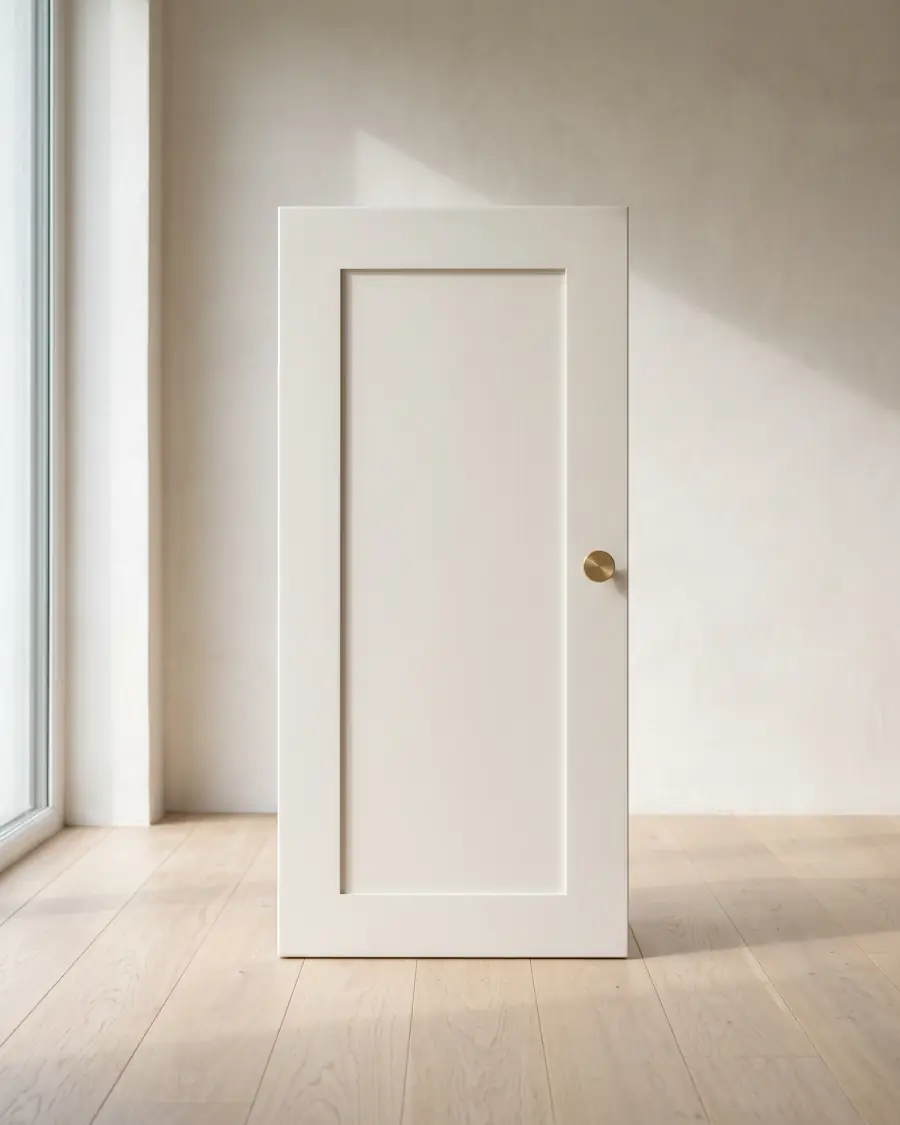
Warm white shaker cabinet door with a recessed centre panel and a small round brass knob
Five-piece door, recessed panel, 2¼ inch frame

1670s to next Tuesday

Shaker doors

A flat centre panel inside a simple four-piece frame. Quiet enough for a farmhouse, sharp enough for a city flat, and the easiest style to live with for a decade.

Best for
Resale-safe kitchens · Painted finishes · Homes that will be repainted once
Watch out
Frame joints collect dust · Cheap versions look flat and papery
Read the shaker guide
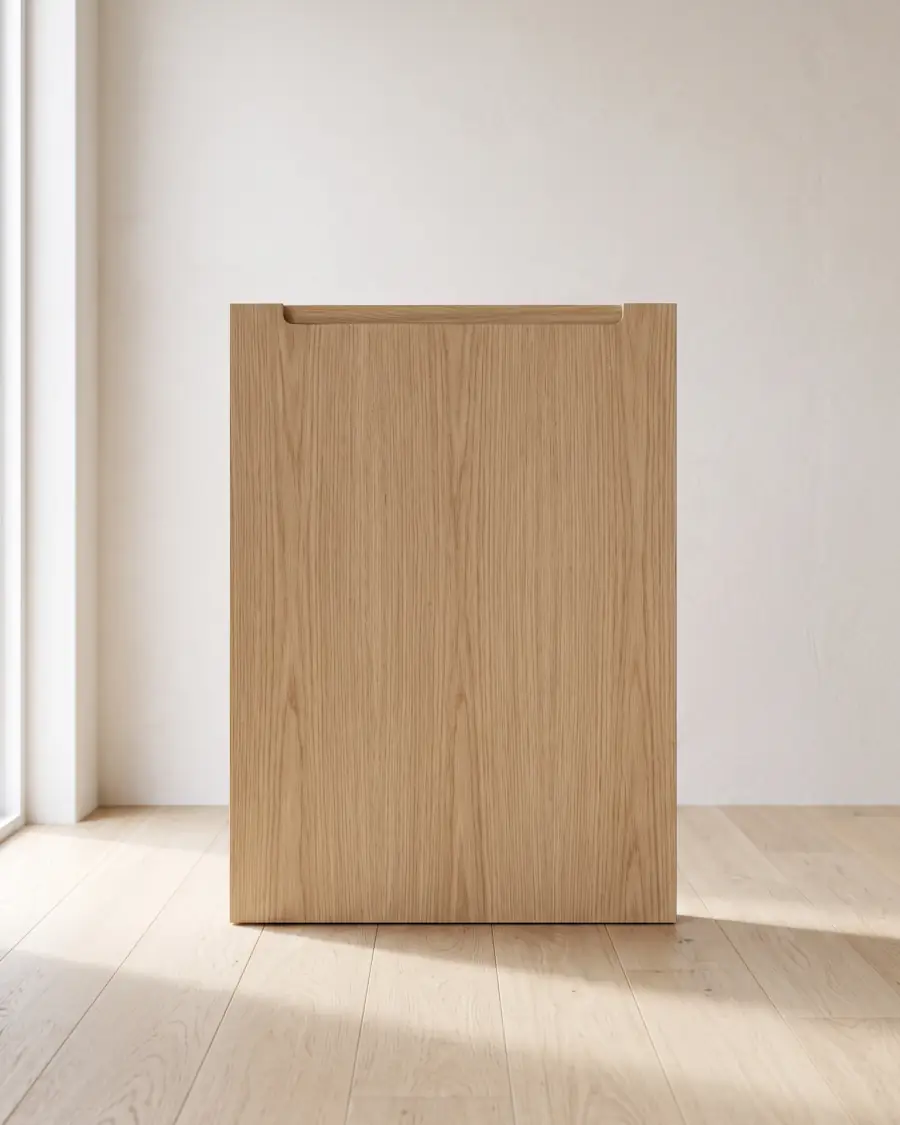
Natural white-oak slab cabinet door with straight vertical grain and no frame
Full-overlay flat panel, no frame

1920s, then 2010s forever

Slab doors

One flat panel, no frame, no fuss. Slab fronts make small kitchens feel bigger and let the grain or the colour do the talking.

Best for
Small kitchens · Handleless or push-to-open · Rift-cut oak and walnut
Watch out
Edges are exposed to steam · Warping if the panel is thin
Read the slab guide
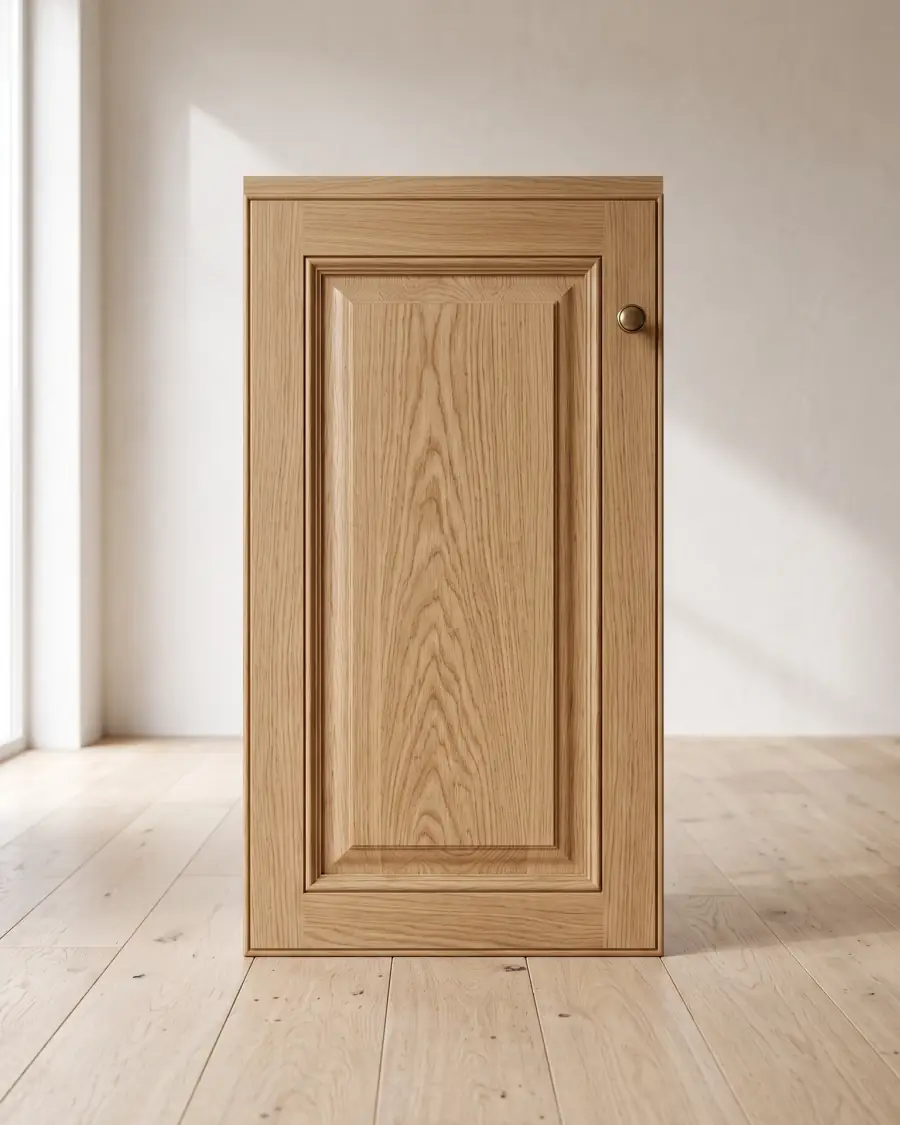
Natural oak raised-panel cabinet door with a moulded frame and an antique brass knob
Five-piece door, raised centre panel, moulded frame

1690s to 2005, still going

Raised panel doors

A centre panel that steps forward inside a moulded frame. It reads as formal, furniture-grade and a little bit grown-up.

Best for
Period homes · Stained wood finishes · Rooms with high ceilings
Watch out
Harder to clean · Busy in small kitchens · Costs more per door
Read the raised panel guide
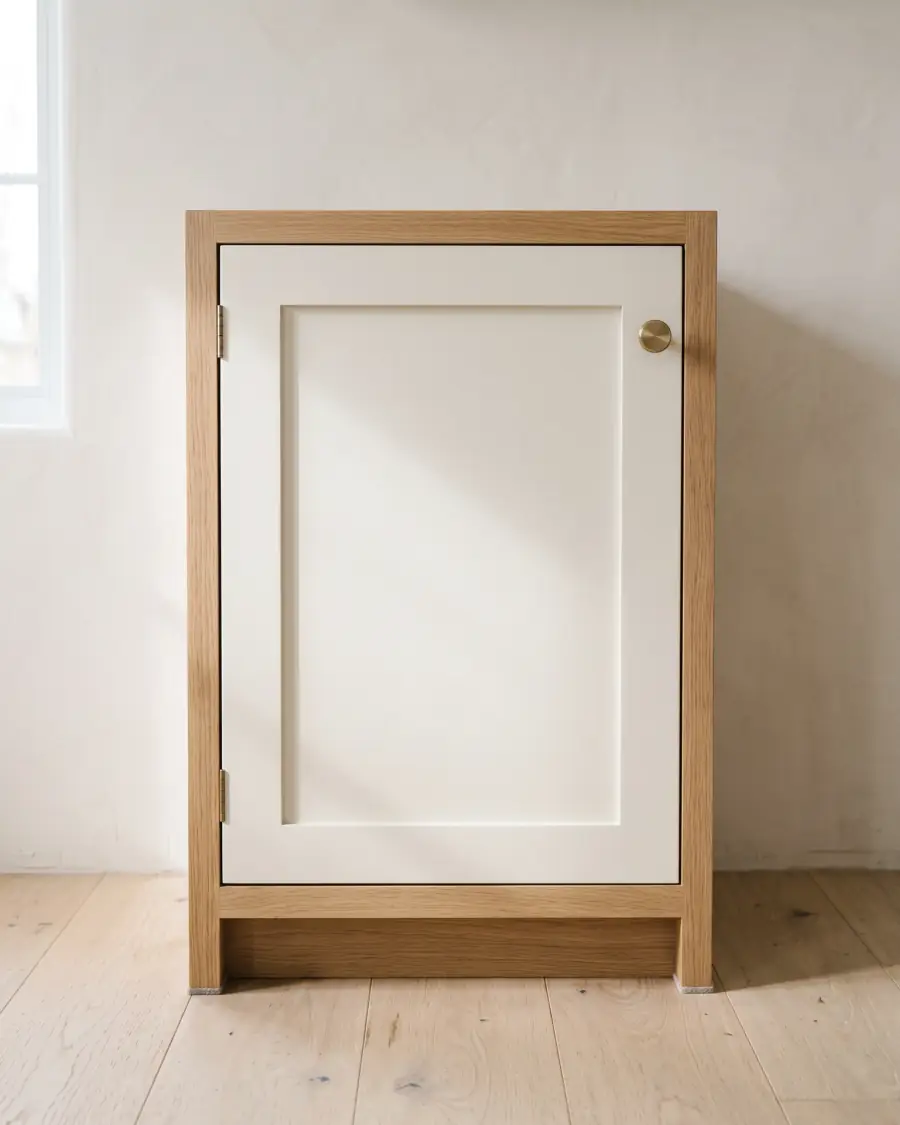
Warm white inset cabinet door sitting flush inside its face frame with a fine reveal
Flush door inside a face frame, 2–3 mm reveal

1800s, revived 2015

Inset doors

The door sits flush inside the face frame instead of on top of it. Every reveal is visible, so the boxes have to be square and the hinges have to be good.

Best for
Craft-forward kitchens · Period joinery · Anyone who likes quiet precision
Watch out
Needs accurate boxes · Costs the most to get right · Reveals show movement
Read the inset guide
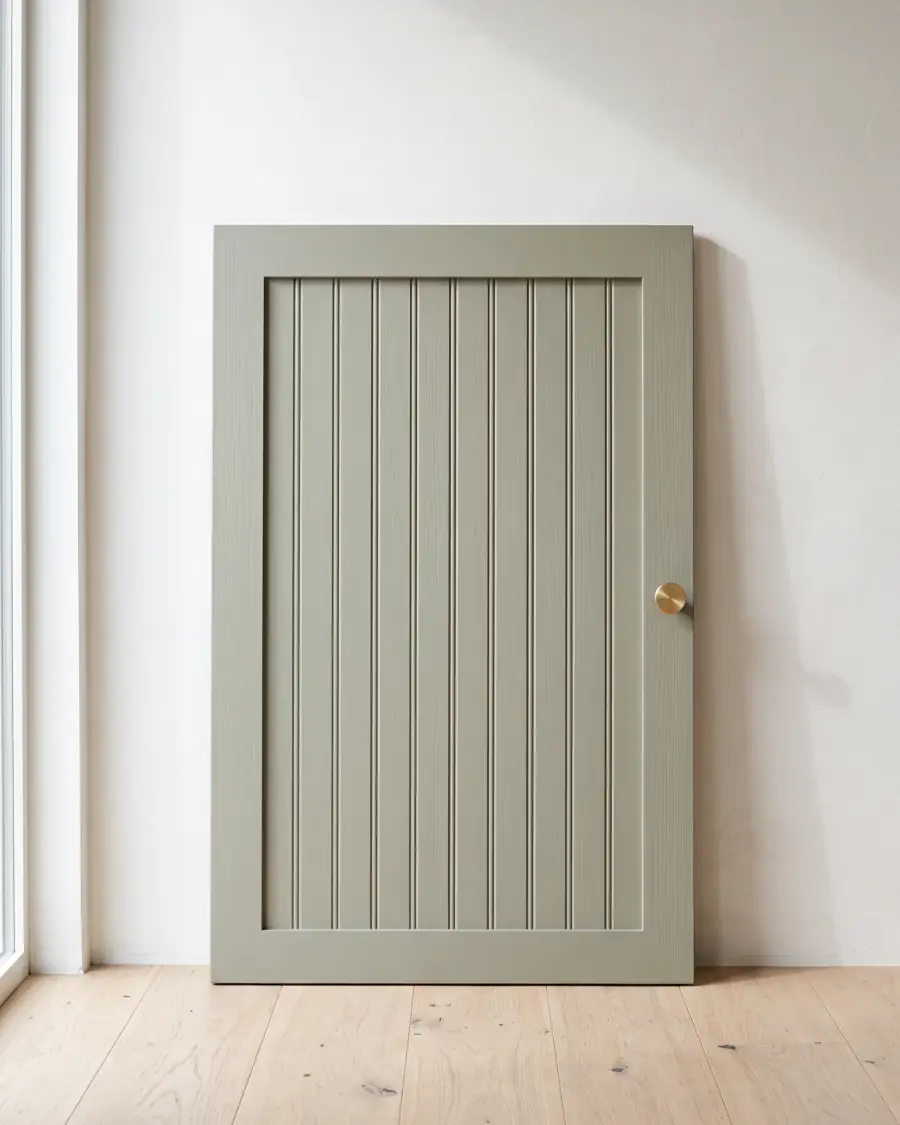
Sage-green beadboard cabinet door with vertical planks and a brass knob
Vertical tongue-and-groove planks in a frame

1870s to 1950s, back again

Beadboard doors

Vertical planks with narrow beads between them. It brings texture without pattern and looks especially good in a bath or a utility room.

Best for
Bathroom vanities · Utility and laundry rooms · Cottage and coastal schemes
Watch out
Grooves need sealing in wet rooms · Can look busy on tall runs
Read the beadboard guide

Side by side

The comparison table you can screenshot

Cost direction is relative, not a quote. A cheap raised panel can cost less than an expensive slab; the point is which way each style pulls the budget.

Cabinet door styles compared by profile, best use, drawbacks and character
Style Profile Best for Watch out Character
Shaker Five-piece door, recessed panel, 2¼ inch frame Resale-safe kitchens Frame joints collect dust The one that never leaves
Slab Full-overlay flat panel, no frame Small kitchens Edges are exposed to steam The quiet modern one
Raised panel Five-piece door, raised centre panel, moulded frame Period homes Harder to clean The traditional heavyweight
Inset Flush door inside a face frame, 2–3 mm reveal Craft-forward kitchens Needs accurate boxes The cabinetmaker’s flex
Beadboard Vertical tongue-and-groove planks in a frame Bathroom vanities Grooves need sealing in wet rooms The cottage wink

Start with the room, not the photo

A style that looks calm in a 4-metre kitchen can look busy in a 2-metre one. Count the doors you will actually see from the doorway before you fall for a profile.

Then check the boxes

Inset and slab are unforgiving about square openings. If the carcasses are old, read reface or replace before choosing a style that shows every millimetre.

Then pick the finish

The same door in paint, oak veneer and thermofoil behaves like three different products. The materials guide explains why.

How to choose

Three questions, in this order

  1. How much precision does the room allow? If the boxes are square and the budget is there, inset is the most crafted. If not, shaker forgives more.
  2. How much texture can the room carry? Beadboard and raised panel add shadow; slab removes it. Small rooms usually want less.
  3. What will you repaint? Painted shaker is the easiest to refresh. Stained raised panel is the hardest. Choose the finish you can maintain, not the one that photographs best.
Quick verdict

Resale-safe
Shaker
Smallest rooms
Slab
Period homes
Raised panel
Craft-forward
Inset
Baths and utilities
Beadboard
All door style guides